28 November 2026
Which cleaning tools are safe for resin patio furniture?
Presented by @gardenseatjournal
The safest tools for most resin patio furniture are soft, simple ones: a lint-free cloth, a soft brush, a sponge, a garden hose with a gentle spray, and a bucket of water with mild soap. Skip scouring pads, steel wool, harsh scrubbers, solvent cleaners, and high-pressure washing. The goal is to lift dirt without scratching the surface or forcing water into joints and hardware.
Resin outdoor furniture is chosen for patio dining, poolside seating, gardens, and commercial spaces because it is made for regular outdoor use. That does not make every cleaning method suitable. A tool can be gentle on grime yet still rough on a finish, especially when sand or grit is trapped between the bristles and the surface. Knowing which tools belong in the bucket, and which ones should stay in the garage, makes easy care patio furniture much simpler.
Start with tools that remove dirt without abrasion
For routine cleaning, begin with loose debris. A soft brush with flagged bristles, a clean microfiber cloth, or a dry sponge can remove dust, pollen, and leaves before water is added. This matters because grit acts like sandpaper once it is wet. Wiping a gritty tabletop with a cloth can leave fine marks, even when the cloth itself is soft.
A soft brush is useful for textured resin, chair slats, and corners where dirt settles. Use light pressure and short strokes. The brush should flex under the hand rather than feel stiff and sharp. If it leaves a visible scratch on a hidden plastic test area, it is too aggressive for the furniture. A toothbrush can help around small crevices, but only if the bristles are soft. Stiff brushes designed for tile grout or deck boards are better kept away from resin surfaces.
Sponges are good for flat areas, especially when paired with mild soap and plenty of water. Choose a non-abrasive sponge, not the green scouring side meant for cookware. A sponge that is clean, damp, and lightly loaded with soap can lift everyday soil without drying the surface or spreading grime into seams.

Water tools: gentle flow beats force
A garden hose is usually enough for rinsing patio furniture. Use an open stream or a gentle spray setting and let water run over the surface. Avoid aiming a narrow, high-pressure jet at close range. Pressure washers can lift paint, roughen edges, drive water into fittings, and push dirt into places that are hard to dry. They are also risky around cushions, wicker-style details, and nearby glass or wood.
If a hose is not available, a bucket and clean cloth can do the job. Rinse the cloth often so dirt is carried away instead of moved around. For dining tables and chairs, work from the top down. That way, drips from the seat back or tabletop do not soil areas that have already been cleaned.
Poolside furniture may be exposed to sunscreen, chlorine residue, and dried splash marks. These can often be handled with repeated gentle wiping rather than stronger chemicals. Letting soapy water sit briefly can loosen residue, but it should not be allowed to dry on the surface. Rinsing and drying are what keep the finish looking even.
Choosing cleaning solutions with care
Mild soap is the default choice for resin, coated metal, and many outdoor plastics. Dish soap diluted in water is usually enough for routine dirt. Use a few drops in a bucket rather than a thick layer of foam, since excess soap can attract dirt and leave a film if it is not rinsed well.
White vinegar is sometimes used for mineral spots, but it should be diluted and used sparingly. Acidic solutions can affect some finishes, stone surfaces, and metal parts. Bleach, ammonia, acetone, paint thinner, and strong all-purpose cleaners can discolor or weaken materials, especially with repeated use. If a product is made for indoor stone, automotive paint, or industrial degreasing, it is not a good default for patio furniture.
Always test any cleaner on a small, hidden area first. Watch for color change, stickiness, dulling, or a softened surface. Even a product that seems gentle can behave differently on resin, painted frames, sling fabric, and cushions. Cleaning labels are useful, but the furniture material should guide the choice.
Tool choices by surface
Resin chairs and tables respond best to cloth, sponge, soft brush, hose, and mild soap. Textured surfaces need a little more brushing, but not more force. Stains may need patience: apply soapy water, wait a short time, scrub lightly, then rinse. Repeating a gentle pass is safer than attacking a mark with an abrasive pad.
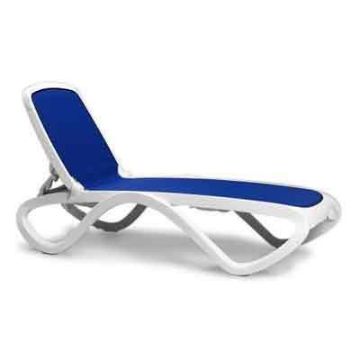
Nardi outdoor furniture often has smooth molded surfaces and practical shapes that collect less dirt than ornate designs, yet the same care rules still apply. A soft brush can reach the areas around legs and seat edges, while a cloth handles broad surfaces. Avoid dragging chairs across a patio when grit is under the feet, since that can scuff both the furniture and the paving.
Metal frames need a soft cloth and quick drying, especially around joints and fasteners. A brush can clean around welds, but abrasive tools may damage coatings. Wood components should be cleaned with a damp cloth or soft brush and dried promptly. Saturated wood can swell, stain, or develop mildew. Cushions and slings need gentle brushing and careful rinsing, with enough drying time before they are stored or stacked.
Glass tabletops call for a non-abrasive cloth and a cleaner suitable for glass. Spray onto the cloth rather than the table edge so liquid does not collect in frames. Paper towels can leave lint on dark surfaces, while a clean microfiber cloth usually gives a steadier finish.
What to avoid, even when dirt looks stubborn
Steel wool, wire brushes, scouring pads, stiff deck brushes, and magic eraser style blocks can be too abrasive. Some work by physically wearing away the top layer, which may make a surface look cleaner at first but leave it dull and more likely to trap dirt later. Scratches also hold moisture and grime, making future cleaning harder.
High pressure is another common mistake. It can split weak plastic edges, loosen fittings, and push water into cushion fabric or hollow parts. If a stain needs more than gentle scrubbing, change the solution or give it more time rather than increasing force.
Mixing cleaners is never a good shortcut. Products can react in ways that irritate skin, damage finishes, or create fumes. Use one product at a time, follow its label, and rinse thoroughly before applying anything else. Gloves are sensible when handling concentrated cleaners, and cleaning should be done with good airflow.
Small habits that reduce cleaning work
Covering furniture during long wet spells can reduce pollen, bird droppings, and moisture buildup. Covers should leave furniture dry and breathable rather than trapping dampness against seats and frames. In areas with strong sun, shade and protective covers can also limit UV exposure when the furniture is not in use.
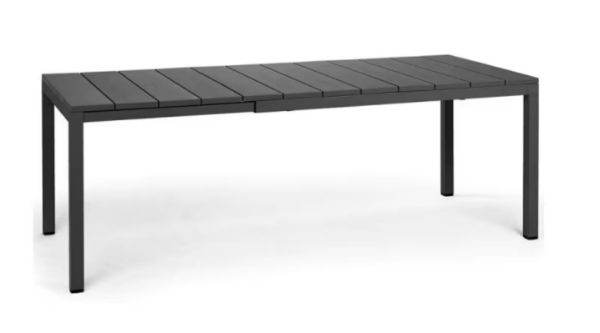
Winter storage is another chance to prevent damage. Clean furniture before putting it away, let every part dry fully, and store cushions separately. Stacking capacity matters too. Chairs should be stacked in the way they were designed to nest, without forcing them past the point where they sit securely. Forcing stacked chairs can crack legs, bend frames, or make them hard to separate later.
Once a season, inspect chairs and tables for loose feet, worn caps, cracked plastic, or damaged hardware. Replacement parts may be available for some items, and small repairs can prevent a minor issue from becoming a safety problem. Any furniture near electrical fittings, heaters, or built-in features should be kept clear of water during cleaning. Electrical repairs are not a furniture care task and should be left to a qualified professional.
For most patios, a simple kit is enough: mild soap, a non-abrasive sponge, a soft brush, a microfiber cloth, a bucket, and a hose with gentle flow. Clean early, rinse well, dry properly, and store with care. Nardi outdoor furniture and other resin pieces tend to stay looking better when the cleaning method protects the surface instead of stripping it.